
Departments
About the biotechnology

Department of Biotechnology at Ashoka has been established in 2010 and offers B.Tech. in Biotechnology. The department has been established with the objective of integrating life sciences with engineering and to develop cutting-edge technology through research, training and technological innovation. Since its inception, the department has witnessed a consistent rise in the students demand for the subject. The department is well equipped with the all necessary instruments and number of research facilities. The department has a young, enthusiastic and well qualified faculties actively involved in research and teaching. The teachers are available to the students for academic as well as personal counselling. The department has been encouraging the students to think independently as well as implementing research ideas. During this short span of time, the discipline has grown in every sphere.
Biotechnology is a multidisciplinary field that applies biological and engineering principles to develop useful products and processes. It involves the use of living organisms or their components to create technological advances in fields such as agriculture, medicine, industrial manufacturing, and environmental science.
A biotechnology course typically covers a range of topics such as molecular biology, genetics, biochemistry, microbiology, cell culture techniques, bioinformatics, and bioprocessing. Students will gain a deep understanding of the fundamental concepts of biotechnology and learn about the latest advances and techniques in the field.
The future prospects of biotechnology are bright, with an increasing demand for new and innovative biotechnological products and services. Biotechnology has already transformed several industries, such as healthcare, agriculture, and environmental science, and is expected to continue to do so in the future. With the growing focus on sustainable development and the need for environmentally friendly technologies, biotechnology is poised to play a vital role in shaping the future. Careers in biotechnology are also expected to be in high demand, with opportunities in research and development, product design, manufacturing, and regulatory affairs.
Students having degree of B. Tech. Biotechnology could claim themselves as high quality Bioengineering professional. Amongst the various career options some are like below: Biotech industries, Higher Education, Research and Development, Food and Drug Development and Pharma Industries, Government Sector and Teaching.
Vision & Mission

Vision of Department
To become an institute of International Standards with human values through continuous improvement with the help of our dedicated faculty & supporting administration

Mission of Department
To impart world class education in engineering, technology, pharmacy and management, to enhance research and development, encourage creativity, promote innovation, build leadership, entrepreneurship, nurture team work and delight all the stakeholders.
PROGRAM OUTCOMES (PO), PROGRAM SPECIFIC OUTCOMES (PSO) & PROGRAM EDUCATIONAL OBJECTIVE (PEO)
PROGRAM OUTCOMES
PO1: Engineering Knowledge: Apply knowledge of mathematics, natural science, computing, engineering fundamentals and an engineering specialization as specified in WK1 to WK4 respectively to develop to the solution of complex engineering problems.
PO2: Problem Analysis: Identify, formulate, review research literature and analyze complex engineering problems reaching substantiated conclusions with consideration for sustainable development. (WK1toWK4)
PO3: Design/Development of Solutions: Design creative solutions for complex engineering problems and design/develop systems/components/processes to meet identified needs with consideration for the public health and safety, whole-life cost, net zero carbon, culture, society and environment as required. (WK5)
PO4: Conduct Investigations of Complex Problems: Conduct investigations of complex engineering problems using research-based knowledge including design of experiments, modelling, analysis & interpretation of data to provide valid conclusions. (WK8).
PO5: Engineering Tool Usage: Create, select and apply appropriate techniques, resources and modern engineering & IT tools, including prediction and modeling recognizing their limitations to solve complex engineering problems. (WK2 and WK6)
PO6: The Engineer and The World: Analyze and evaluate societal and environmental aspects while solving complex engineering problems for its impact on sustainability with reference to economy, health, safety, legal framework, culture and environment. (WK1, WK5 and WK7)
PO7: Ethics: Apply ethical principles and commit to professional ethics, human values, diversity and inclusion; adhere to national & international laws. (WK9)
PO8: Individual and Collaborative Teamwork: Function effectively as an individual, and as a member or leader in diverse/multi-disciplinary teams.
PO9: Communication: Communicate effectively and inclusively within the engineering community and society at large, such as being able to comprehend and write effective reports and design documentation, make effective presentations considering cultural, language and learning differences
PO10: Project Management and Finance: Apply knowledge and understanding of engineering management principles and economic decision-making and apply these to one’s own work, as a member and leader in a team, and to manage projects and in multidisciplinary environments.
PO11: Life-Long Learning: Recognize the need for, and have the preparation and ability for i) independent and life-long learning ii) adaptability to new and emerging technologies and iii) critical thinking in the broadest context of technological change. (WK8)
PROGRAM SPECIFIC OBJECTIVES
PSO1: Ability to understand the foundation of biotechnology pertaining to the allied field of Genetic Engineering, Bioinformatics and Bioprocess Engineering
PSO2: To develop new products and methods for improving health and society by integrating natural and engineering sciences with environmental concerns
PROGRAM EDUCATIONAL OBJECTIVE
PEO1: To prepare trained graduates with the state of art of knowledge in biotech and allied disciplines
PEO2: To create professionals with outstanding calibre who would be an asset in various fields of education, research, entrepreneurship and industry
PEO3: To sensitize students to local and global needs of environment protection and sustainability
Faculty Members
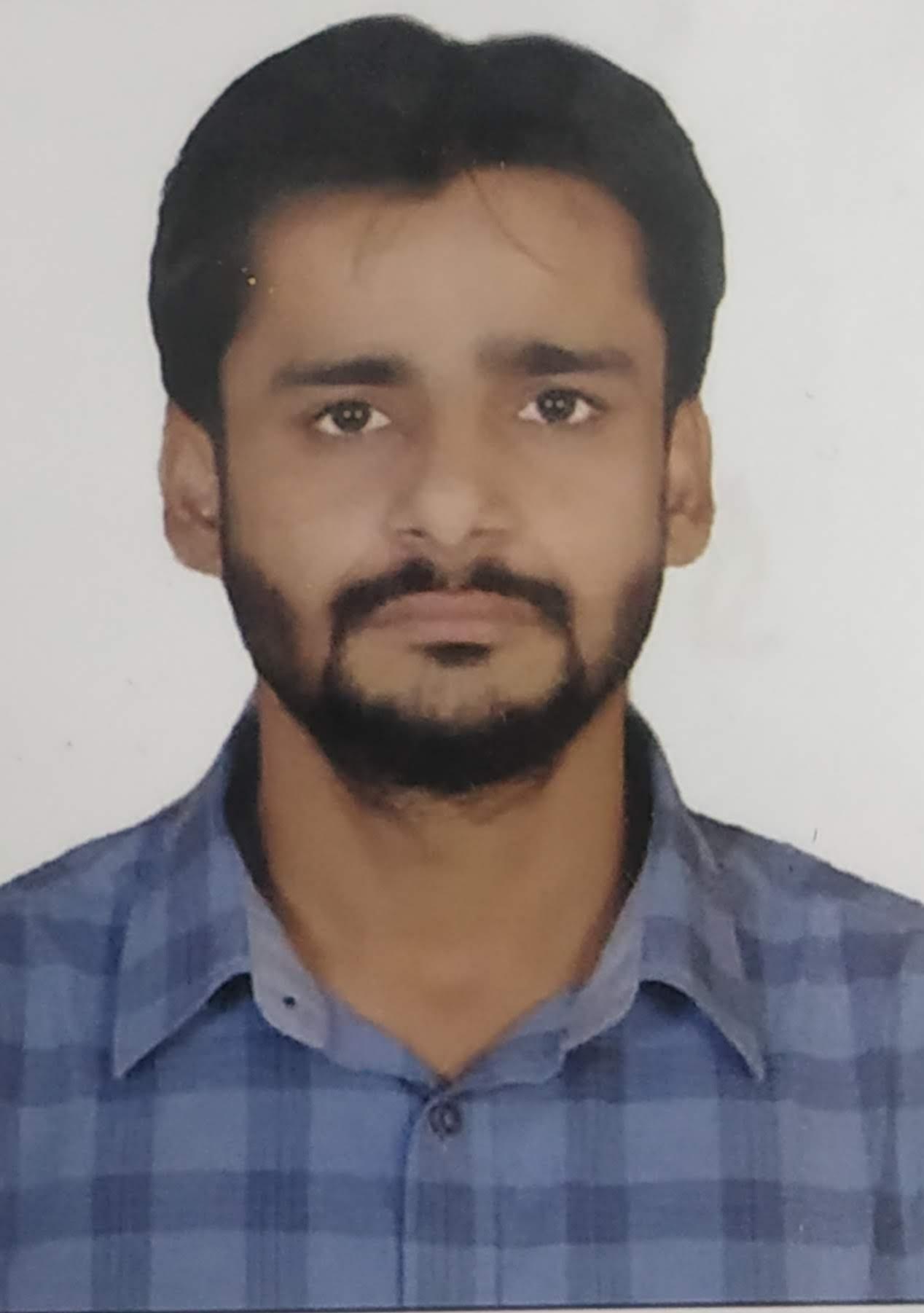


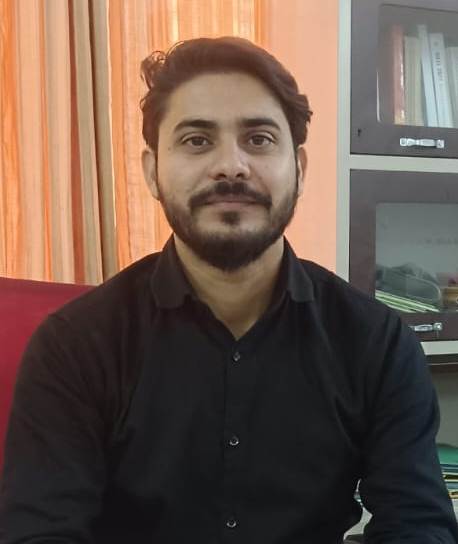

| Sr. No | Title | View | Download |
|---|---|---|---|
| 1 | Change in college timing_Even sem_2023-24 | View | Download |
| 2 | Circular for Practical Exam of 2nd year_Even_2023-24 | View | Download |
| 3 | Circular for Practical Exam of 3rd & 4th Year | View | Download |
| 4 | Regarding Submission of Synopsis_Biotechnology_25-26 | View | Download |
| 5 | Regarding External Practical Exam of 3rd Year_Biotechnology_25-26 | View | Download |
| 6 | Regarding Reschedule of External Practical Exam of 3rd Year_Biotechnology_25-26 | View | Download |
| Sr. No | Title | View | Download |
|---|---|---|---|
| 1 | Industrial Biotech UNIT 2 Notes | View | Download |
| 2 | Protoplast Isolation & culture | View | Download |
| 3 | STUDY MATERIAL OF BIOINFORMATICS-II | View | Download |
| 4 | Haploid Culture | View | Download |
| 5 | Gynogenesis | View | Download |
| 6 | CAPILLARY ELECTROPHORESIS | View | Download |
| 7 | SDS-PAGE | View | Download |
No e-books available.